Bible Safari: Adventure Truth
- 0.0
- Rating
- 10.00K
- Installs
- Free
- Price

 Analysis by App-foxy
I approached Bible Safari: Adventure Truth as a short, approachable trivia game rather than as a replacement for reading Scripture. That distinction matters. Its focus is Bible-themed questions and word puzzles, with rewards that encourage regular play, so the experience fits naturally into a quiet morning, a study break, or a family activity. I found the idea appealing because it turns recall into something active: instead of only reading a passage, I have to recognize details, connect words, and decide how confident I really am.
The game is free to start and is listed for Everyone, which makes it easy to recommend for households, youth groups, and players who want faith-based entertainment without a complicated entry point. Kingdom Studios Productions is the developer, and the game has reached over ten thousand installs. That audience size suggests a smaller, more focused experience than the biggest trivia platforms, and I think that is part of its charm. It feels aimed at people who specifically want Bible content, not at players looking for a huge general-knowledge catalog.
What the first few minutes feel like
My advice to a first-time player is to begin with a learning mindset. The questions are more useful when I treat wrong answers as prompts to revisit a passage or topic, rather than as failures. A quick session can test familiar names, events, wording, and themes, while the word-puzzle side changes the rhythm enough to keep the experience from becoming a simple sequence of multiple-choice taps.
You May Also Like

 Pandora - Music & Podcasts
Pandora’s Music Is Easy to Start, but Harder to Recover
Pandora’s strength is its low-effort path from a seed to a station. Its weak spot is how much confidence it asks you to place in connection, setup, and quiet recovery.

 AccuWeather: Weather Radar
AccuWeather Review: A Quick, Clear Forecast for Everyday Decisions
For everyday plans, the best forecast is the one you can understand quickly. AccuWeather makes rain timing, radar, and local conditions easy to act on, with a few trade-offs.

 Hill Climb Racing
Why Hill Climb Racing Still Turns Crashes Into One More Run
A tiny car, a bumpy hill and one more upgrade: Hill Climb Racing keeps resurfacing because its simple chaos makes every near-miss feel personal.

 AliExpress - Shopping App
AliExpress Makes Global Shopping Feel Personal, but Shoppers Bear the Risk
AliExpress turns a global marketplace into a pocket-sized discovery engine. Its reach is useful, its shopping loop compelling, and its trade-offs easy to miss.

 Lords Mobile: Kingdom Wars
Lords Mobile Is a Kingdom-Building Routine, Not a Quick Match
A case-by-case verdict on the building, battles, device demands, and social commitments that make Lords Mobile rewarding for some players and exhausting for others.

 PDF Scanner app - TapScanner
TapScanner Makes Paperwork Easier to Capture, Check, and Share
TapScanner makes scanning with a phone feel less like a rescue operation and more like a dependable step in getting work done. Its capture tools are useful, though not flawless.
More From Our News Desk
View All News


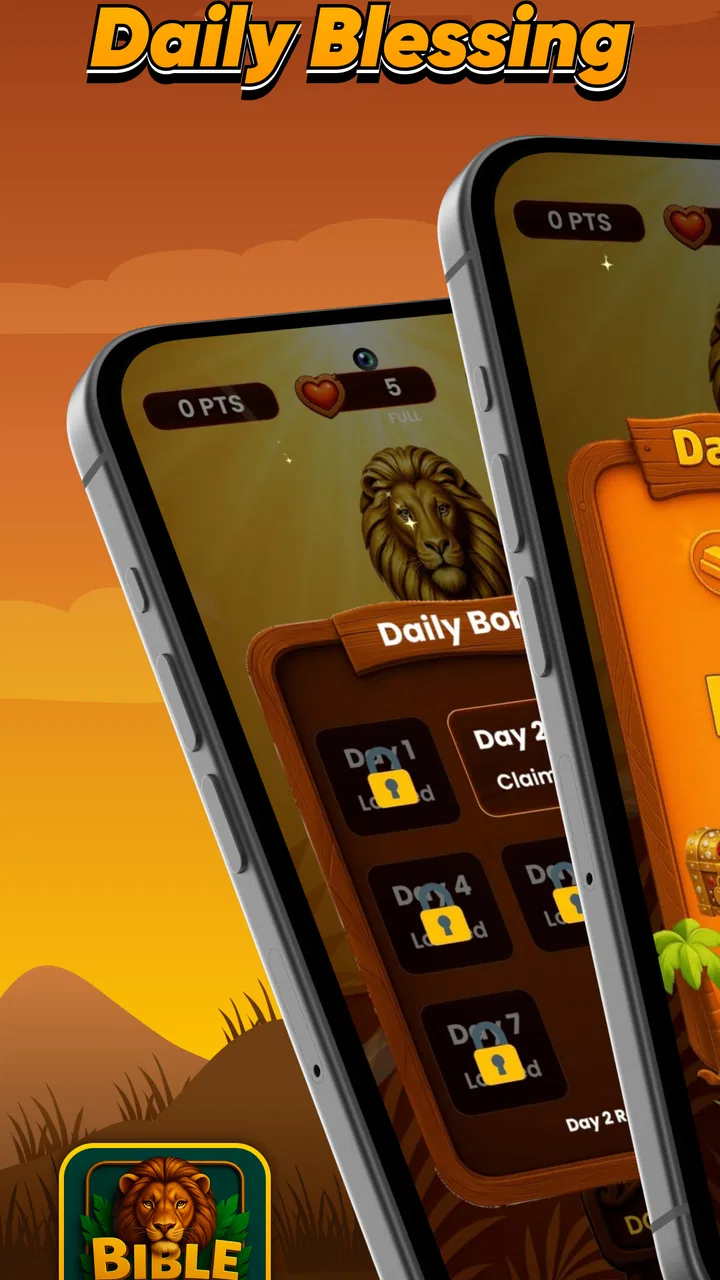
The store summary presents the central loop clearly: play Bible trivia and word puzzles, earn rewards, and build a daily habit around learning Scripture. In practice, that combination gives the game two different kinds of appeal. Trivia rewards memory and recognition; word puzzles ask me to slow down and look at language from another angle. Someone who enjoys quizzes but gets bored with repeated question formats may appreciate that change of pace.
I would not install it expecting a large adventure game with exploration, combat, or a story campaign. The “safari” framing gives the product an inviting identity, but the confirmed focus is trivia and word puzzles. That makes it best understood as a casual educational game with a Bible theme. If your goal is structured theological study, a dedicated Bible-reading or study app will usually be more suitable. If your goal is a few minutes of interactive recall, this is a much better fit.
Starting without overthinking the setup
The game supports Android devices running version 7.1 or later, so the practical first step is simply checking that the phone or tablet meets that requirement. Once installed, I would keep the first session uncomplicated: open the game, read the instructions around the first activity, and avoid trying to optimize rewards immediately. The current version is 1.23, which gives a new player a clear version reference when checking whether the installed build is current.
Because the game is free, there is no purchase decision required before trying the basic experience. That is important for families or cautious users who want to see whether the question style suits them. There are optional in-app purchases priced from $0.99 to $19.99 per item, so I would still treat the payment area carefully, especially if a child will use the device. The sensible approach is to play first, decide whether the core loop is enjoyable, and only then consider whether any optional purchase is worthwhile.
I also recommend choosing a calm first moment instead of opening it while distracted. Bible trivia often depends on small distinctions between people, places, wording, or events. If I rush through the opening questions while multitasking, I learn less and may mistake a concentration problem for a difficulty problem. A few uninterrupted minutes make the first session more reassuring.
The first meaningful success
A useful first goal is not to collect the largest reward. It is to complete one trivia activity carefully, notice which answers felt uncertain, and then try a word puzzle with the same patient approach. That gives a new player an immediate sense of both sides of the game. It also reveals whether the experience matches personal preferences: some players will enjoy recalling Scripture facts, while others will connect more with arranging or identifying words.
When I am unsure about an answer, I try to separate “I have seen this before” from “I know this accurately.” That small habit makes the game more valuable as a learning tool. A familiar name can appear in several contexts, and a remembered phrase may belong to a different passage than I first think. Treating uncertainty honestly turns each question into a cue for later reading instead of encouraging random guessing.
For a family session, I would let each person answer independently before discussing the choice. That prevents the fastest player from dominating and creates a natural conversation about why an answer seems right. With a youth group, the game could work as a warm-up before a lesson, provided the leader checks any disputed answer against the relevant Bible text rather than treating the game as the final authority.
My favorite practical routine is a small daily session followed by one note about a question I missed or nearly missed. The note can contain a person, event, theme, or phrase to look up later. This is more effective than playing for a long stretch and forgetting everything afterward. The reward system may encourage returning, but the real benefit comes from connecting the game’s prompts to actual reflection.
Where new players may become confused
The biggest possible misunderstanding is assuming that every activity has the same purpose. Trivia feels like recall, while word puzzles emphasize language and pattern recognition. I would not judge the whole game after only one type of challenge. A player who dislikes one format may still enjoy the other, and switching between them can prevent the session from feeling repetitive.
Another point of confusion is the difference between entertainment and interpretation. A quiz answer can test whether I recognize a biblical detail, but it does not automatically explain the historical setting, translation differences, or broader meaning of a passage. When a question raises doubt, I see that as a reason to consult Scripture or a trusted study resource. The game works well as a doorway into curiosity, not as a complete reference work.
Rewards can also change how the experience feels. They are useful for giving a short session a sense of progress, but they should not become the only reason to play. If I focus exclusively on collecting them, I am more likely to tap quickly, guess carelessly, or feel frustrated by a difficult question. I get more from the game when rewards mark consistent attention rather than replace it.
Parents should also explain the payment side before handing over the device. The game is free, but optional items can cost real money. I would use the device’s purchase controls and agree on a simple rule: no purchase is made during play without permission. That conversation is more practical than assuming a child will understand the difference between free access and optional paid content.
How it compares with familiar alternatives
Compared with a general trivia app, Bible Safari: Adventure Truth offers a narrower subject area and a more consistent faith-based purpose. A general quiz platform is better if I want science, sports, entertainment, geography, and current events mixed together. This game is better when I want every question to remain connected to biblical knowledge and when I would rather build familiarity with Scripture than compete across unrelated categories.
Compared with a Bible-reading app, it is more active and playful but less comprehensive as a reading environment. A reading app is the stronger choice for following a plan, comparing passages, or spending extended time with the text. This game is more useful when I need a low-pressure entry point or a short review activity after reading. I would happily use both, but I would not confuse their roles.
Compared with paper quiz cards or a group discussion, the game offers convenience and a repeatable solo option. Physical cards can create richer conversation and do not depend on a device, while a discussion leader can explain context immediately. The game’s advantage is accessibility: I can use it when nobody else is available and still turn a spare moment into a small learning exercise.
The word-puzzle element gives it another useful distinction. A standard Bible quiz may become predictable if I am always choosing among answers. Switching to language-based challenges asks me to engage differently, even though the subject remains the same. That makes it a reasonable choice for players who want Bible content but need more variety than a straight question-and-answer format.
Small habits that make the game more useful
First, I would keep a “look up later” list rather than interrupting every round to investigate. This preserves the flow of play while protecting the learning value. After the session, I can open a Bible and check the details that caused uncertainty. The habit is especially helpful when playing on a schedule, because it separates quick practice from deeper study without abandoning either one.
Second, I would replay the experience with different people instead of always playing alone. A child may remember a character’s name, an adult may remember the event, and a group may notice a wording clue that one person missed. The game becomes more than a score when players explain their reasoning. That social use is a stronger fit for Bible Safari than treating it as a silent competition.
Third, I would use the word puzzles as a reset between study tasks. After reading a passage, a short puzzle can help me stay engaged without demanding another long block of concentration. The trade-off is that it can also become a distraction if I open it during a serious study session and keep chasing rewards. Setting a clear stopping point keeps the tool helpful.
Fourth, I would avoid measuring spiritual growth by performance in the game. A high score can show familiarity with certain facts, but it cannot measure understanding, reflection, or how someone applies a lesson. That is an important boundary for parents, teachers, and group leaders. The game can support learning, but it should complement conversation and reading rather than stand in for them.
Who should install it, and who should skip it
I think it is a good match for casual players who enjoy quizzes, families looking for a shared activity, and readers of the Bible who want a light way to revisit what they have learned. It also suits someone who struggles to begin a study routine, because a short game can feel less demanding than opening a long reading plan. The Everyone rating reinforces its broad accessibility, although adults should still guide younger players around optional purchases.
I would be more cautious about recommending it to someone who wants detailed commentary, a complete reading system, or advanced theological instruction. It is also not the right choice for a player who dislikes repetition, has no interest in Bible themes, or expects a large-scale adventure with extensive exploration. The game’s focused subject is its strength for the right audience and its clearest limitation for everyone else.
Players who need a fully offline study workflow, searchable reference tools, or carefully structured lessons should look toward a dedicated Bible resource instead. Likewise, competitive trivia fans may prefer a larger general platform with broader subjects and a bigger multiplayer emphasis. Bible Safari makes more sense when the desired experience is personal, focused, and easy to pick up.
My recommendation after settling into the routine
After looking at the game as a complete experience, I see its value in the space between entertainment and study. It does not need to do everything. Its job is to make Bible-related recall approachable, add variety through word puzzles, and give players a reason to return regularly. That focused purpose is more convincing than any promise of a grand adventure.
The free entry point makes trying it straightforward, while the optional purchases mean I would establish spending boundaries before sharing it with children. The Android requirement is modest enough for many older devices, and the current build gives users a clear point of reference when installing or updating. These practical details make the first step less intimidating.
My recommended path is simple: install it, complete one trivia activity without rushing, try a word puzzle, and write down one detail worth checking in Scripture. If that routine feels rewarding, keep sessions short and consistent. If the questions feel too basic or the game format does not hold your attention, move to a dedicated reading or study app instead of forcing it.
The best reason to try Bible Safari: Adventure Truth is not the promise of a perfect score; it is the chance to turn a spare moment into a thoughtful question about Scripture. For a free trivia game from Kingdom Studios Productions, it offers a friendly starting point, useful variety, and enough room for personal or group use. I recommend it to beginners and casual Bible learners, with the honest reminder that its greatest results come when the game leads me back to the text itself.
FAQs for Bible Safari: Adventure Truth
01What is Bible Safari: Adventure Truth?
Bible Safari: Adventure Truth is an educational, adventure-style app designed to help users explore stories, characters, and lessons from the Bible. It presents biblical content through interactive challenges, discoveries, and game-like activities rather than relying only on traditional reading. The app is particularly suitable for children and families, although parents should review the available content and difficulty level to decide whether it matches their child’s age and interests.
02Is Bible Safari: Adventure Truth suitable for children?
The app is generally designed with younger users and families in mind, using an accessible adventure format to make Bible learning more engaging. However, suitability can depend on a child’s reading ability, attention span, and familiarity with biblical stories. Parents or guardians should explore the app first, check its age guidance, and consider playing together so they can explain religious themes and answer questions that may arise.
03Does Bible Safari: Adventure Truth require an internet connection?
Some features of Bible Safari: Adventure Truth may work without a constant internet connection after the necessary content has been downloaded, but requirements can vary by device and app version. Internet access may still be needed for the initial installation, updates, account features, or additional content. Before traveling or allowing offline use, open the app once while connected and confirm which activities remain available without Wi-Fi or mobile data.
04Is Bible Safari: Adventure Truth free to download and use?
The app may be available as a free download, but users should check the current listing on Google Play or the App Store because pricing, subscriptions, and optional purchases can change. Some content or features may be limited unless unlocked. Families should review the store description and in-app purchase settings before handing the device to a child, and parental controls are recommended to prevent accidental purchases.
05What devices support Bible Safari: Adventure Truth?
Bible Safari: Adventure Truth is intended for supported Android and iOS devices, but compatibility depends on the operating system version, available storage, and the developer’s current requirements. Older phones or tablets may experience slower performance or may no longer be supported after updates. Before downloading, check the official app-store page for the latest Android and iOS requirements, permissions, file size, and supported languages.
Pros
- Engaging Bible-based adventures make learning scripture feel like a game.
- Bright visuals and friendly characters are appealing to younger players.
- Interactive challenges can help reinforce memory of biblical stories.
- Suitable for family use and discussion after completing activities.
- Adventure format may encourage children to explore scripture independently.
Cons
- Some content may feel too simple for older children or adult players.
- Progress can become repetitive after completing similar activities.
- Requires a compatible device with enough storage and updated software.
- Parents may still need to explain complex biblical themes and context.
- In-app purchases or ads may affect the experience
- depending on the version.

Bible Safari: Adventure Truth
Gallery